

0
Your Cart

No items found.
Product is not available in this quantity.
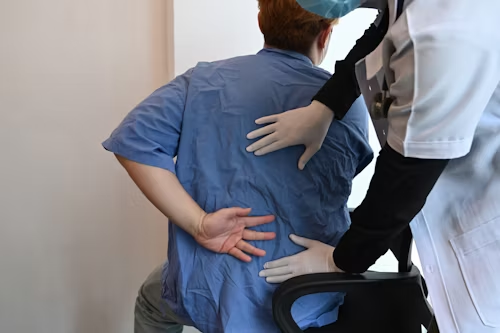
Musculoskeletal injuries may not grab headlines, but they quietly drain billions from Australian businesses every year.
These injuries are common - they accounted for nearly 60% of serious workers’ compensation claims in recent years, especially in physically demanding industries like construction, logistics, and manufacturing. The direct costs of these claims include medical treatment, compensation, and legal fees.
But that’s just the tip of the iceberg. According to Work Safe Victoria, for every $1 in direct claim costs, a business could face up to $7 in indirect costs. These include:
One injury can disrupt entire operations. Imagine a warehouse losing a forklift operator for six weeks due to back strain. Not only is the workflow interrupted, but the business may need to pay for temporary labour, suffer from lower throughput, and still meet deadlines.
Investing in proactive risk reduction strategies such as ergonomic design and mechanical aids makes strong business sense. It’s not just about compliance – it’s about protecting your margin and your workforce.
More and more executives are moving away from reactive safety spending and embracing early intervention. By allocating capital to injury prevention through equipment and training, they reduce both claims frequency and operational disruption.
Bottom line: Musculoskeletal injuries are expensive – far more than you may think. Prevention is not just a health decision. It’s a strategic investment.